

Ark of Taste: Preserving Finland's Foods and Traditions
The Ark of Taste is a vault of small-scale quality productions that belong to the cultures, history and traditions of the entire planet. However, the objective of this collection of the world’s most extraordinary foods, vegetables, and animal breeds is not just to preserve them, but also to bring them to the spotlight and celebrate them.
In a world where agricultural biodiversity is increasingly endangered due to climate change, industrialization, genetic erosion, changing consumption patterns, the abandonment of rural areas, migration, and conflict, the Ark of Taste acts as an inclusive call to action. Farmers, cooks, and consumers all have a role in preserving our planet's natural and cultural diversity. The best protection something can have is its discovery, understanding, and acknowledgement. Each of the more than six thousand products in the ark is a narrative of the cultures, communities, and ecosystems that have nurtured them through generations, and we have the opportunity to learn their stories, eat them, and enjoy them.
In the case of Finland, its 12 catalogued products range from wild Arctic berries and ancient farmhouse ales to heritage cattle breeds and centuries-old regional pastries.
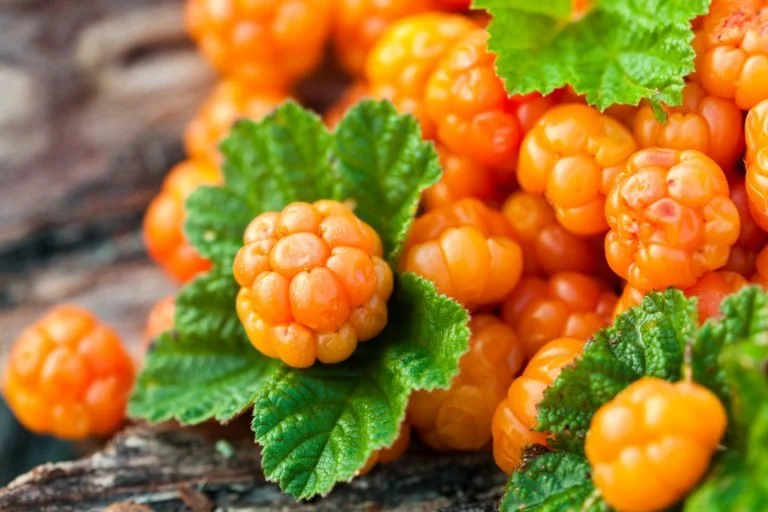
Cloudberry (Lakka, Hilla, Valokki, Suomuurain) is a wild berry that grows in the bogs and wetlands of Kainuu, Northern Ostrobothnia, and Lapland, ripening through shades of yellow and red into a fragrant, amber-coloured fruit. The small perennial plant blossoms in June and produces berries that are easily plucked from their base when fully ripe. Lakka has long been gathered by communities in these regions and remains economically significant today, made into jams, juices, soups, and desserts.
Category: Fruit, nuts and fruit preserves
Region: Lappland län and Uleåborgs län
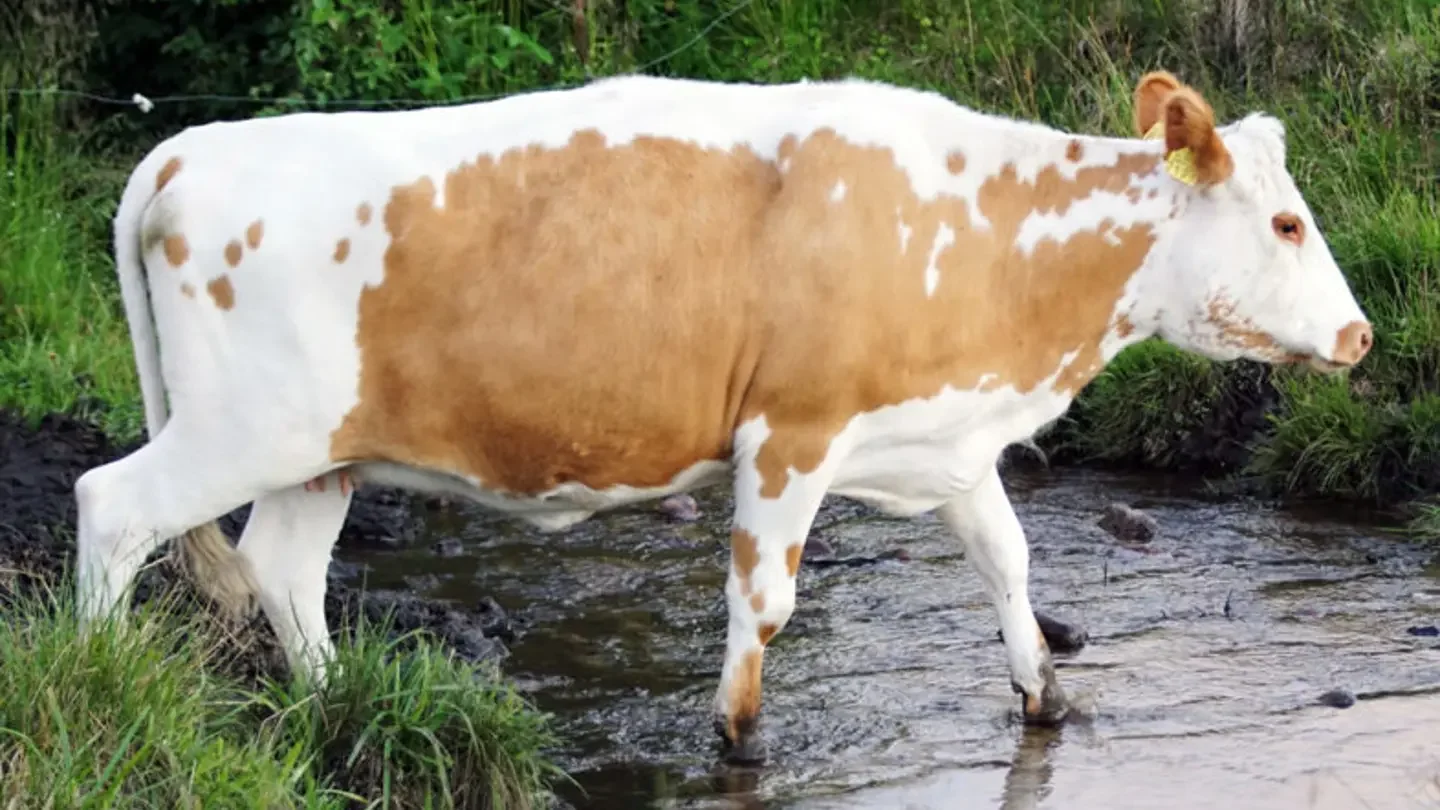
Eastern Finncattle (Itäsuomenkarja, Kyyttö) are one of three native Finnish cattle breeds, recognisable by their distinctive red-and-white coat. Though they produce less milk than commercial breeds, they are exceptionally long-lived and fertile, calving up to 15–16 times and producing milk rich in fat, fatty acids, and proteins well-suited to making cheese, yogurt, and viili. Severely impacted by World War II and later by the rise of industrial dairy breeds, the population fell to a historic low in the 1980s and stands at around 600 individuals today. Conservation efforts continue on private farms and agricultural institutes, but the breed still faces intense competition from higher-yield commercial alternatives.
Category: Breeds and animal husbandry
Region: Östra Finlands län
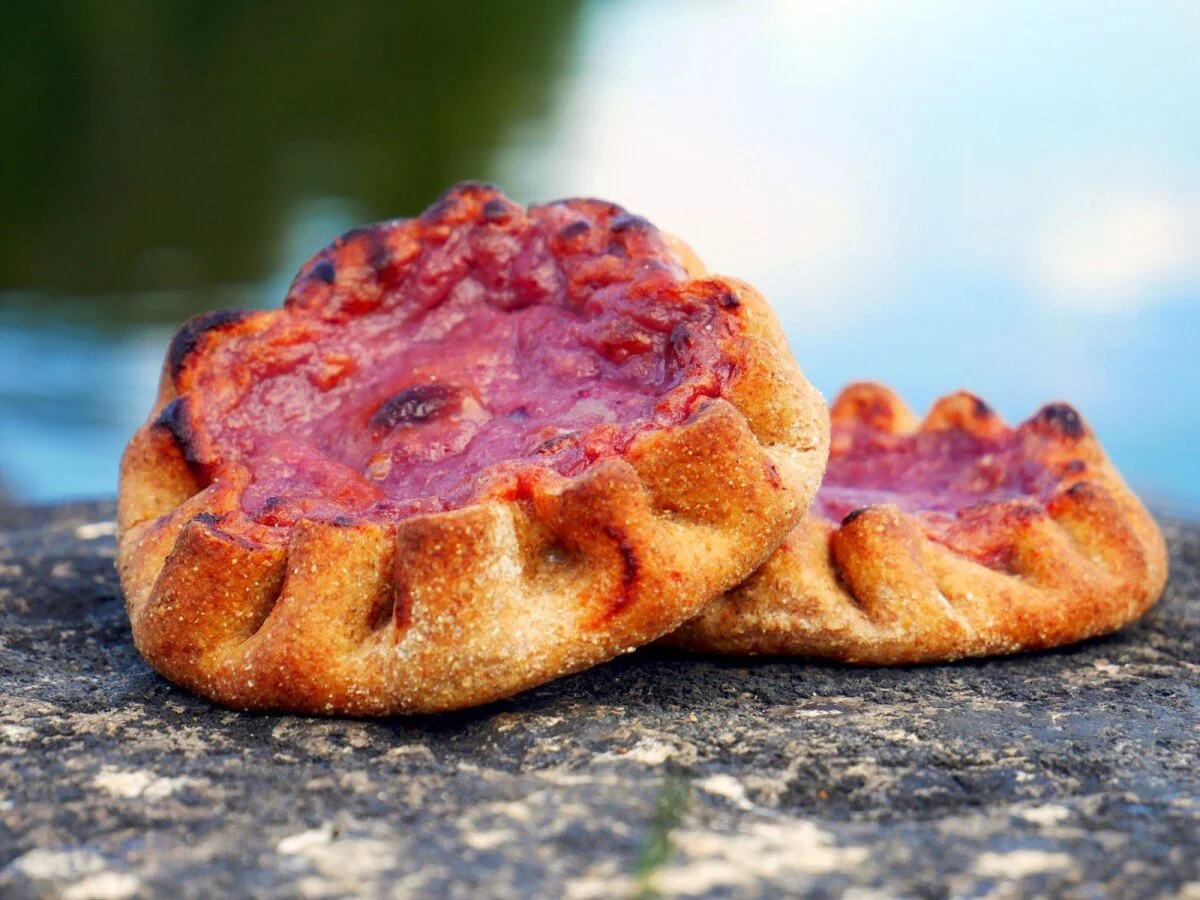
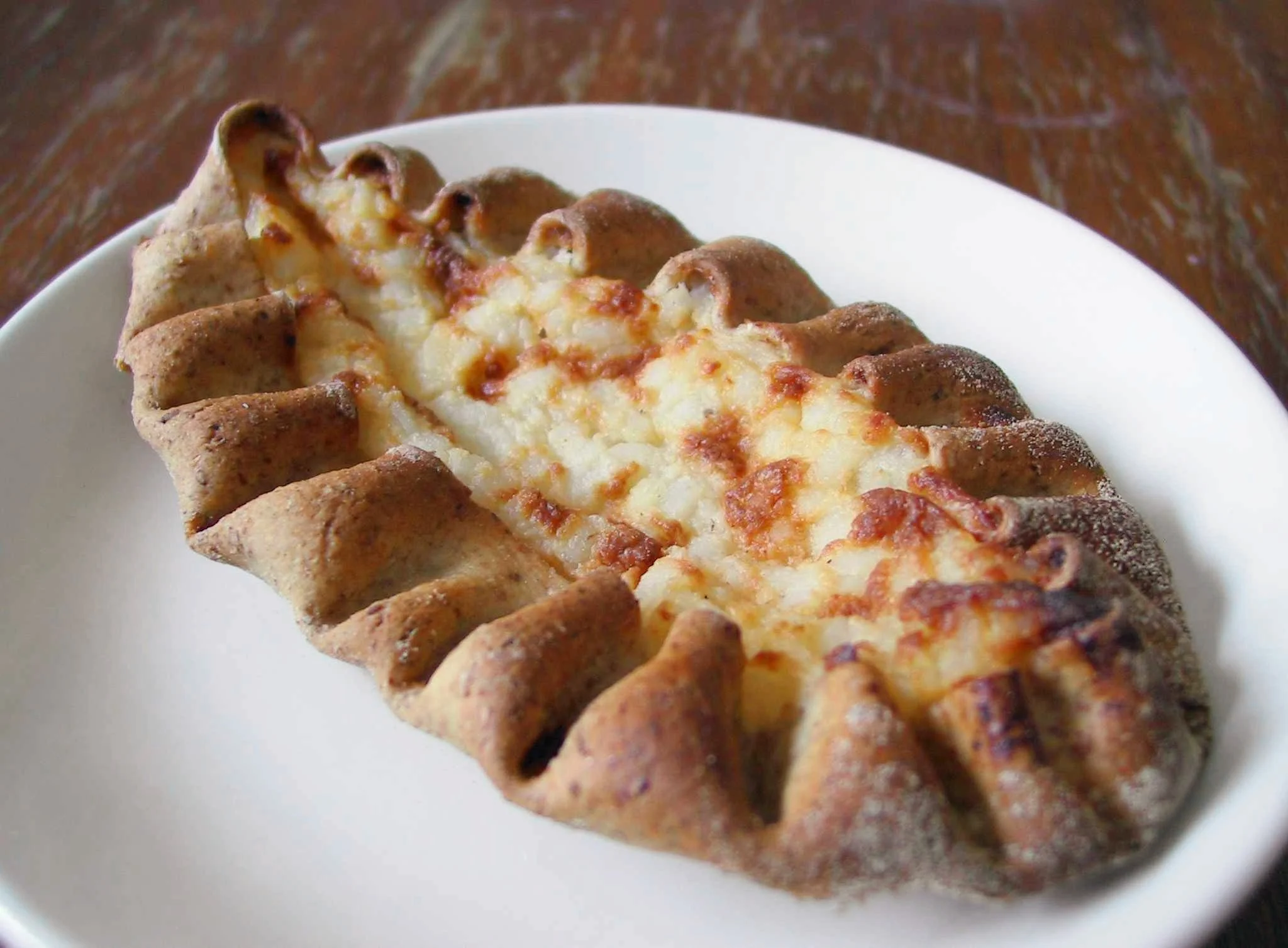
Kainuun rönttönen is a small open rye pastry from the Kainuu region of northern Finland, filled with mashed potato and lingonberries, a combination that historically provided a rare taste of sweetness when sugar was scarce. The dough is rolled thin, filled, folded to leave the centre exposed, and baked until golden, then brushed with butter. It sits within a broader eastern Finnish tradition of filled rye pastries and has appeared in regional recipe books, literary works, and at events like the Kuhmo Chamber Music Festival. Today only one commercial producer remains, and the number of people making it at home continues to shrink.
Category: Bread and baked goods
Region: Östra Finlands län
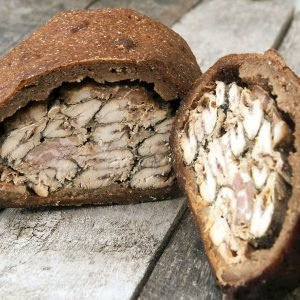
Kalakukko is a dense, fish-stuffed rye bread that has been baked in the Savo region, centred on Kuopio, for centuries. The filling — typically vendace or perch from local lakes, wrapped in strips of fatty Finnish bacon and seasoned only with salt — cooks slowly inside the sealed loaf over nearly 20 hours, infusing the bread with flavour. Originally a practical field lunch that kept well for weeks, it was carried in pockets and eaten cold with milk or buttermilk.
Category: Bread and baked goods
Region: Östra Finlands län
Karelian pasty (Karjalanpiirakka) is a small, oval rye-crust pastry with origins in the historical region of Karelia, first mentioned in writing in 1686. The crust is rolled almost translucent-thin to ensure it crisps in the oven, and the filling — most commonly rice or barley cooked in milk — accounts for about two-thirds of the finished pastry. The tradition spread westward through Karelian migrants in the 17th and 18th centuries, and was carried further still when around 420,000 Karelians evacuated to mainland Finland during World War II. Though now considered a national dish, the handmade original is increasingly displaced by mass-produced versions, and the knowledge of how to make it from scratch is at risk of being lost.
Category: Bread and baked goods
Region: Östra Finlands län
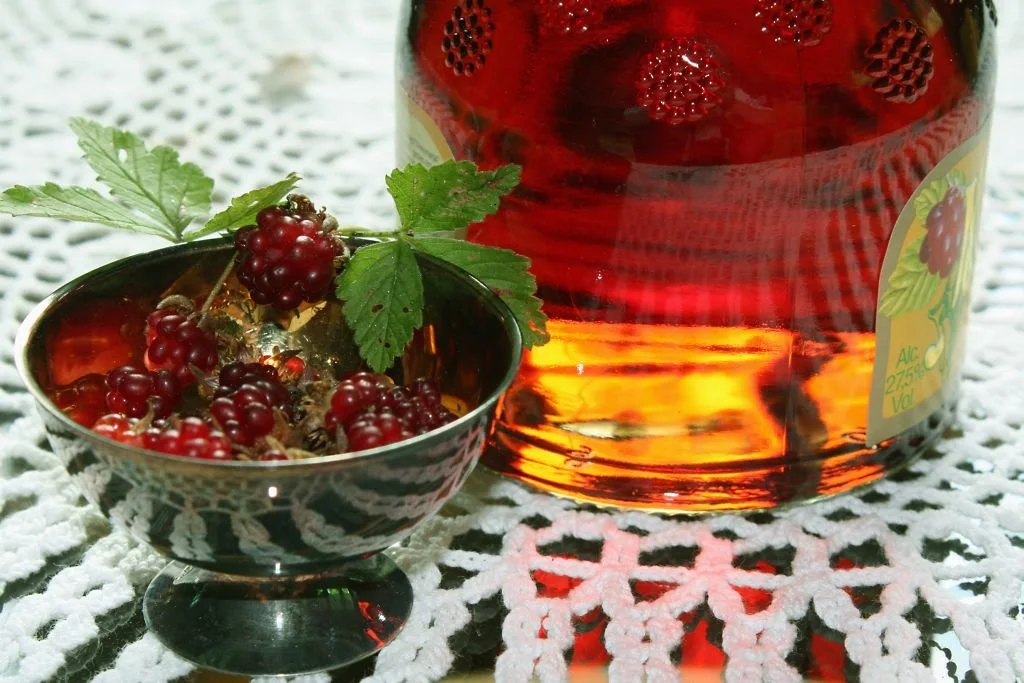
Mesimarja Liquor is a Finnish speciality made from Arctic bramble, a rare berry that grows near the Arctic Circle and ripens under the long light of the northern summer. The liqueur is made by an extraction method that draws out the berry's full character, producing a light, violet-tinged spirit with a honeyed, complex aroma in which the alcohol stays quietly in the background. Produced in limited quantities and historically kept off the wider market by Finland's state alcohol monopoly, it remains little-known outside the country. It is typically served as a dessert drink or at celebratory occasions.
Category: Distilled and fermented beverages
Region: Södra Finlands län
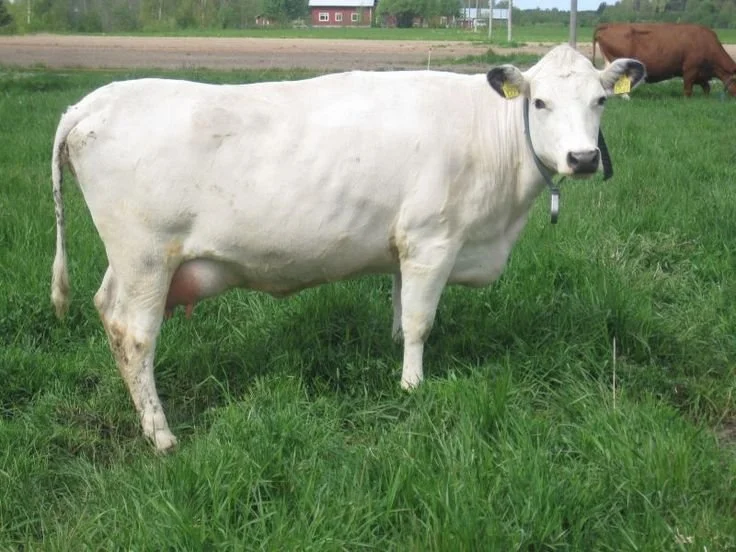
Northern Finncattle are a native Finnish breed with origins in Lapland, where, according to local legend, the first cow emerged from the water of a well when the first settlers arrived. Naturally hornless and usually white with pigmented muzzles and ears, they produce around 5,000 litres of milk per lactation, less than commercial breeds, but with a notably higher fat content and coagulation qualities well-suited to cheese, yogurt, and viili. World War II devastated their numbers, with roughly half the evacuated cattle from Lapland slaughtered and a severe shortage of bulls hampering recovery.
Category: Breeds and animal husbandry
Region: Lappland län
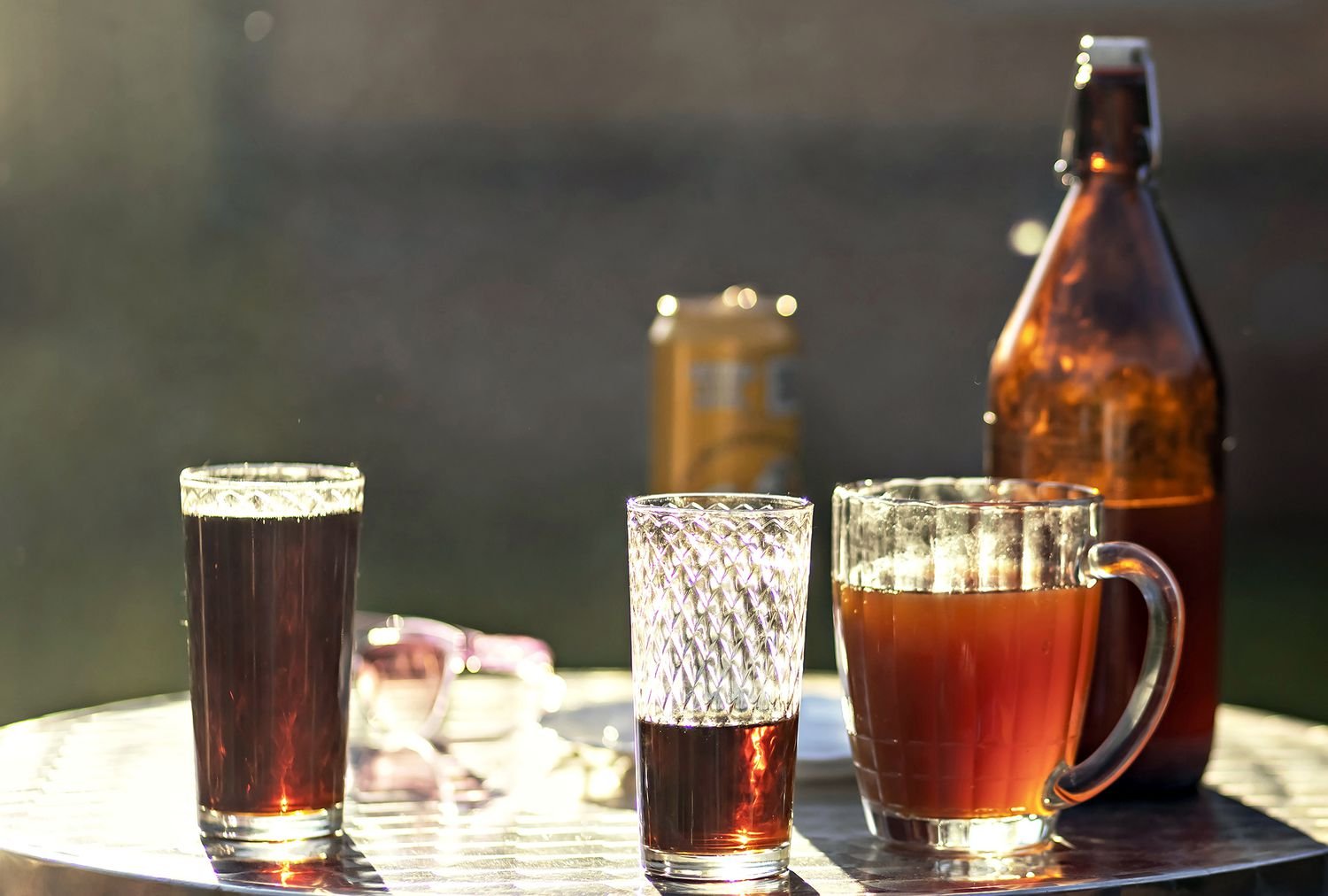
Sahti is one of the oldest surviving beer styles in Europe, brewed in Finnish farmhouses for thousands of years using malted rye, barley, wheat, and oats, fermented with baker's yeast and traditionally strained through juniper twigs. It is cloudy, unfiltered, and unpasteurised, with a naturally sweet character from residual sugars and an alcohol content ranging from 6% to 12%. The brewing tradition remains alive in the rural regions of Kanta-Häme, Päijät-Häme, and Pohjois-Satakunta, where it is still made as a festive drink and entered in competitions open to home brewers. Only four active commercial producers remain, and the original craft tradition is considered genuinely at risk.
Category: Distilled and fermented beverages
Region: Södra Finlands län
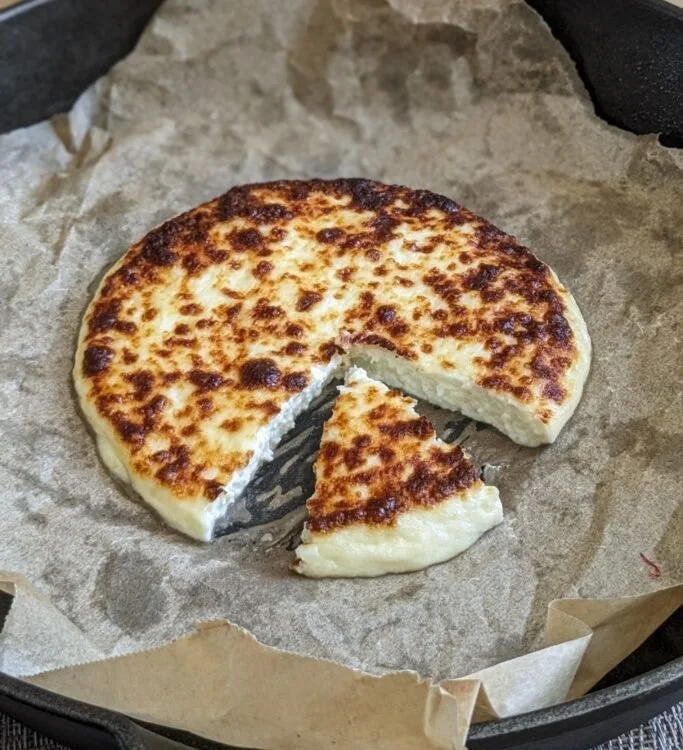
Traditional Leipäjuusto (Juustoleipä, Narskujuusto) is a fresh cheese, originating in Ostrobothnia at least 200 years ago, made from the rich milk of a recently calved cow. After the curds are set into a flat round form, the cheese is baked, grilled, or flambéed until it develops its characteristic golden or charred surface and the distinctive squeak against the teeth that earned it one of its regional nicknames, narskujuusto. Traditionally dried and stored for months or even years, it was reheated on a fire before eating; today it is more commonly served warm with cloudberries or alongside coffee. Industrial versions have largely replaced the farmstead original, which survives in only a handful of small producers.
Category: Milk and milk products
Region: Uleåborgs län, Västra Finlands län
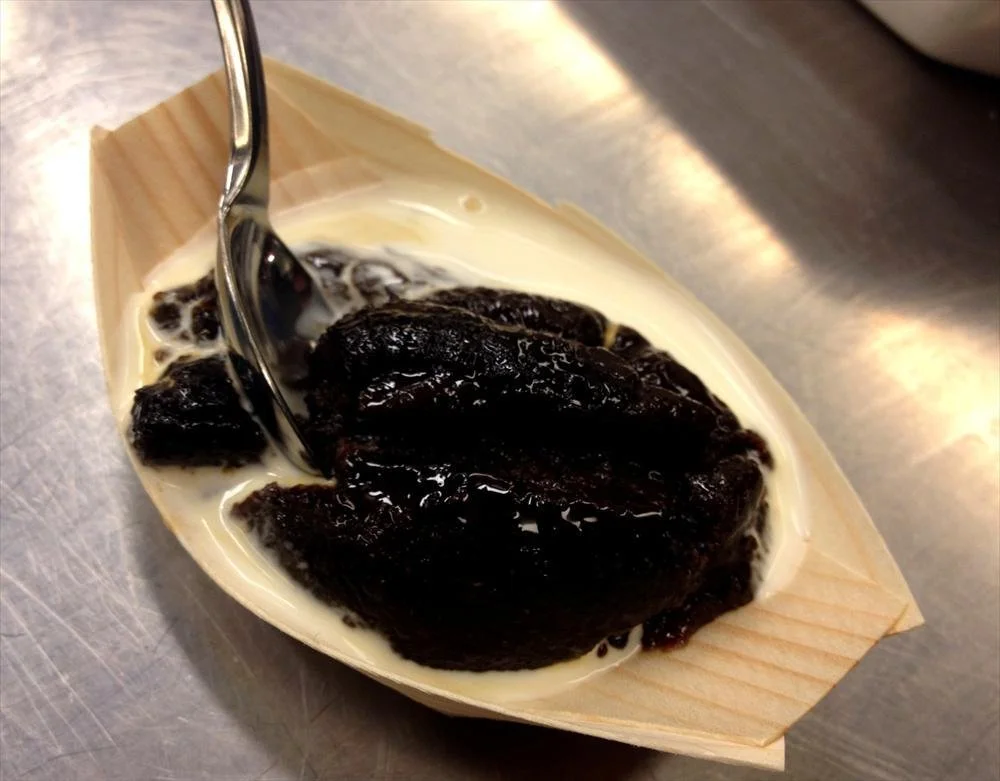
Traditional Mämmi is a dense, almost black rye malt pudding eaten at Easter, with roots in southwestern Finland dating back to at least the 13th century. Made from rye flour and malted rye, seasoned with salt and dried Seville orange zest, it is left to sweeten naturally before being baked and then chilled for three to four days. The traditional version contains 2% sugar or less, giving it a deep, malty, aromatic flavour entirely different from the heavily sweetened commercial varieties now dominant on supermarket shelves. It is typically served cold with milk or cream, and has inspired a dedicated Finnish society and even a mämmi-infused beer.
Category: Cakes, pastries and sweets
Region: Western Finland
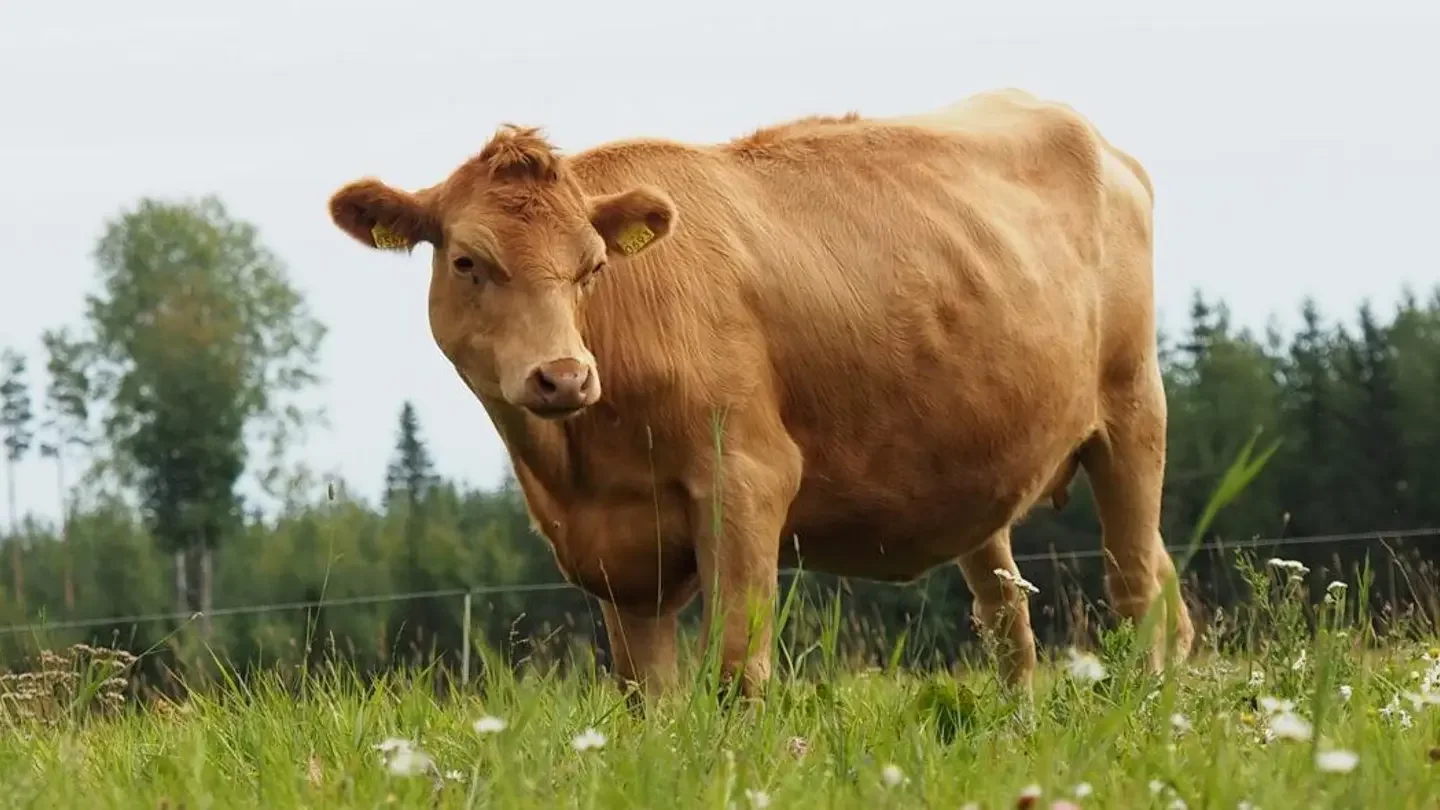
Western Finncattle (Länsisuomenkarja) are the most numerous of the three native Finnish cattle breeds, though their population of around 3,000 head is declining. Golden or brownish-beige in colour and naturally hornless, they are larger than their Eastern and Northern counterparts and produce approximately 6,400 litres of milk per lactation, less than the Holstein, but with significantly higher levels of healthy fatty acids and Kappa Casein type B, making it especially well-suited for cheese, viili, and yogurt production. Brought to Finland from the Baltic region some 4,000–5,000 years ago, they adapted over millennia to the Finnish climate and remain hardy and fertile. Despite their qualities, they face extinction driven by limited consumer awareness, industrial farming pressures, and rural policies that continue to favour larger-scale production.
Category: Breeds and animal husbandry
Region: Västra Finlands län
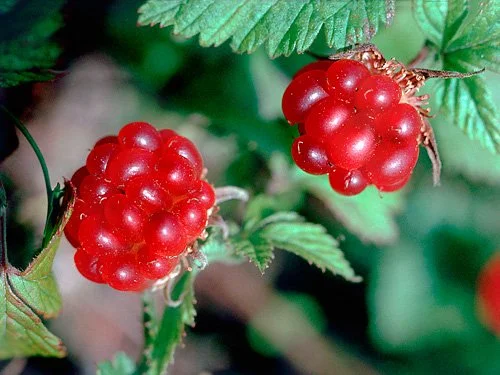
Arctic bramble (Åkerbär) is a tiny berry of the Rubus family that grows only in Arctic regions, thriving in the open conditions historically created by grazing animals and cold winters. Known since at least 1658, when it was first described in scientific literature, it has captivated everyone who encounters its extraordinarily complex aroma. Climate change and the decline of traditional Arctic farming are now the main threats to its habitat. The berry is used for jams, jellies, and liqueurs, and its extracts have even found their way into perfumes and flavoured spirits.
Category: Fruit, nuts and fruit preserves
Region: Lappland län, Murmansk oblast, Norrbottens län, Västerbottens län, Västernorrlands län
The Ark of Taste is a global project made up of local efforts. Finland-based farmers, cooks, and food enthusiasts can play a major role in preserving these incredibly valuable products and many others, from producing with pride to consuming thoughtfully. If you know any traditional Finnish product that deserves a place on the Ark, nominations are open to everyone. Feel free to reach out to us so we can support your application.
Also, if you identify yourself with this initiative and you are...
A farmer, join the local Slow Food Farms network
A restaurant or food or beverage-related establishment, apply to the Slow Food Local Guide
A food enthusiast, subscribe to our local newsletter and join Slow Food Helsinki